

Cardinal defends lay people in senior Roman Curia roles
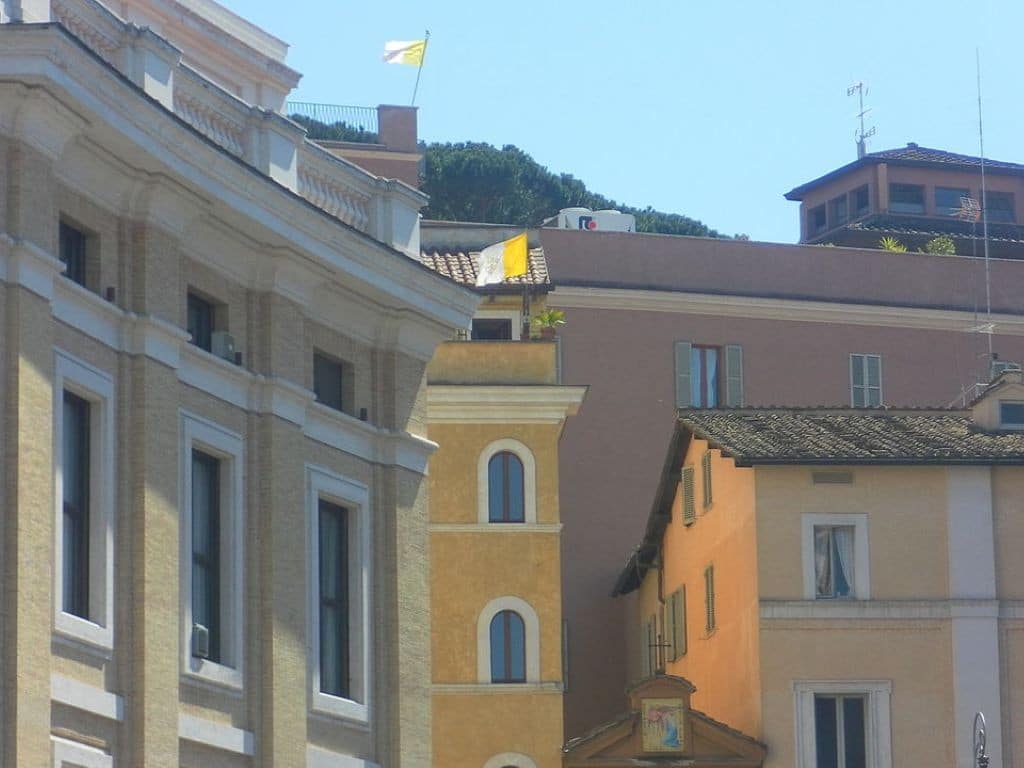
(Wikimedia Commons)
The former prefect of the Dicastery for Bishops, Cardinal Marc Ouellet, wrote an article on the topic that was published in Vatican News on February 16.
He said having bishops and cardinals serve in roles under laypeople and consecrated religious persons “would not be inappropriate or questionable”, so long as the non-ordained appointees are competent.
In reforming the Roman Curia in 2022, Pope Francis opened the way for laypeople and professed religious to lead dicasteries.
Though the Dicastery for Communication has been led by a layperson since 2018, the late Pope subsequently named Sr Simona Brambilla to lead the Vatican office for consecrated life and Sr Rafaella Petrini to the governance of Vatican City State.
Pope Leo XIV later issued a motu proprio regularising Sr Petrini’s appointment, since a Vatican law still held that the president of the microstate’s government had to be a cardinal. That signalled that Sr Petrini’s appointment would not be peeled back.
Cardinal Ouellet noted that “at the dawn of the new pontificate, some would like to see the close link between the ordained ministry and the function of governing the Church reaffirmed”.
Yet, Cardinal Ouellet wrote, the link between the office of a bishop and the function of governing in the Church as laid out in Second Vatican Council “does not mean that the sacrament of Holy Orders is the exclusive source of all government in the Church”.
Citing canon law, the cardinal said that the lay Christian faithful are already entitled to “cooperate in the exercise” of Church governance.
“This does not mean entrusting them with tasks that are strictly sacramental in the Christological sense, but rather integrating their charisms into the service of the Holy Spirit,” he wrote, referring to a person’s unique capacities endowed by grace.
Those charisms, the cardinal wrote, “have their own weight of authority in areas where sacramental ordination is not necessary, where it may even be appropriate for competence to be of another order”, such as in human resource management, administering justice, handling finances and engaging in ecumenical dialogue.
FULL STORY
Cardinal defends lay leadership in Roman Curia in rare note (By Justin McLellan/National Catholic Reporter)
RELATED STORY
Pope issues ‘motu proprio’ to solve Sister Petrini’s irregular presidency (Catholic Herald)

Ad

Ad
The latest from
CathNews

Newsletter Signup
Receive CathNews New Zealand updates in your email every Tuesday and Friday