

Hospice fears soaring fuels costs could affect its care delivery
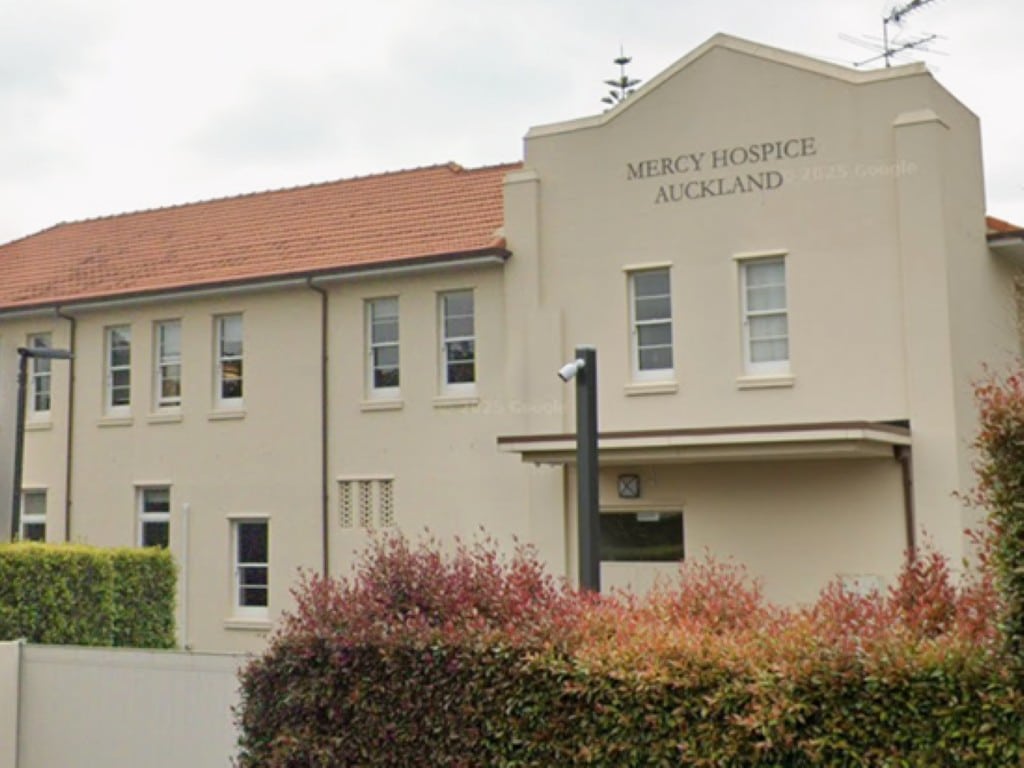
(Google Maps)
Mercy Hospice has eight inpatient beds. But at any one time, they are caring for around 400 central Aucklanders and their families. Most of the care is provided in the community.
“Every day, Mercy Hospice’s community palliative care nurses travel from St Mary’s Bay, as far as Glendowie in the east, Avondale in the west and Mt Wellington in the south, to provide clinical care to people in their homes – driving 10,000km each month, on average,” the hospice’s website stated.
“In 2025, our nurses visited more than 1200 patients in the community, making more than 6500 visits overall.”
The hospice stated that “with the impacts of rising fuel costs hitting us, we have worked hard to maintain our essential services without any financial relief”.
However, “there is a very real risk that the cost of fuel will impact Mercy Hospice’s ability to continue regular services, if things continue the way they are”.
“Mercy Hospice is an essential service, and our clinical staff are considered essential workers. Our care will continue, but we are preparing for what our service provision may look like if the fuel situation worsens.”
But the hospice stressed “it is important to us, our patients and their families that we maintain our care in the community. To do so, we need your help”. A fundraising drive has been launched to “fill the tanks”.
About 50 per cent of Mercy Hospice’s funding comes from Government through Te Whatu Ora. The rest has to be raised through donations, community events and Mercy Hospice Retails Shops.
FULL STORY
Tank of Thanks Urgent Appeal (Mercy Hospice)
Support Mercy (Mercy Hospice)

Ad

Ad
The latest from
CathNews



Newsletter Signup
Receive CathNews New Zealand updates in your email every Tuesday and Friday