

Political discernment seen through Catholic lens at webinar
(NZ Electoral Commission)
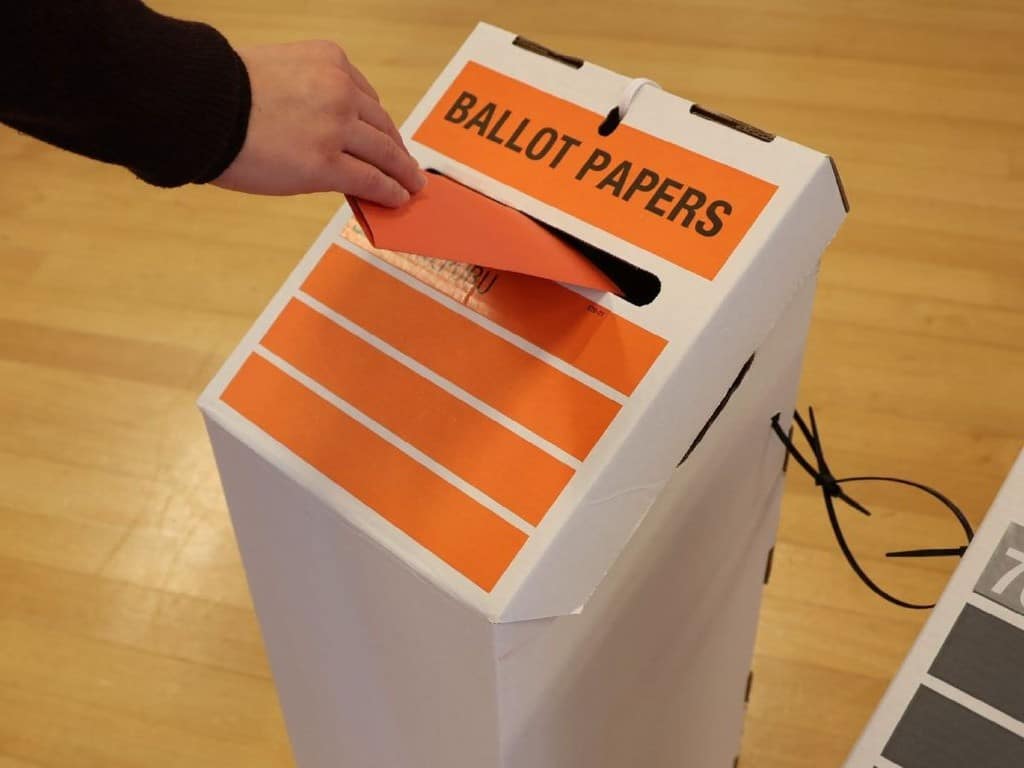
The New Zealand Catholic Bishops Conference hosted a webinar on October 28 which explored the themes of the bishops’ election statement, Discerning Our Nation’s Future Through a Gospel Lens.
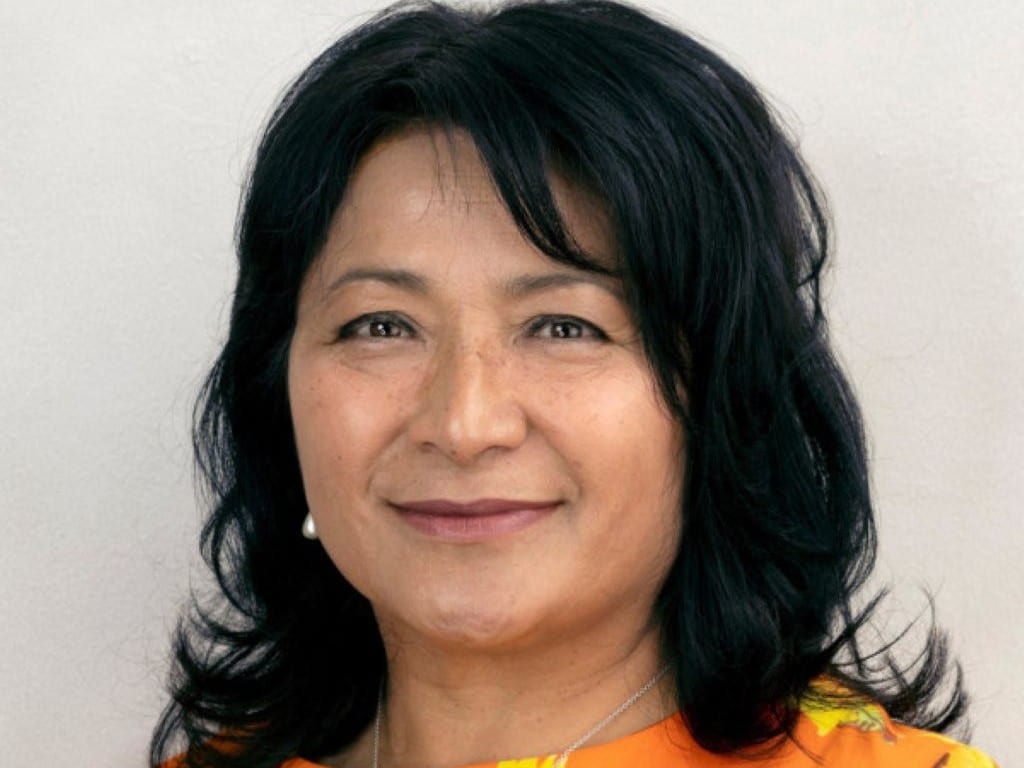
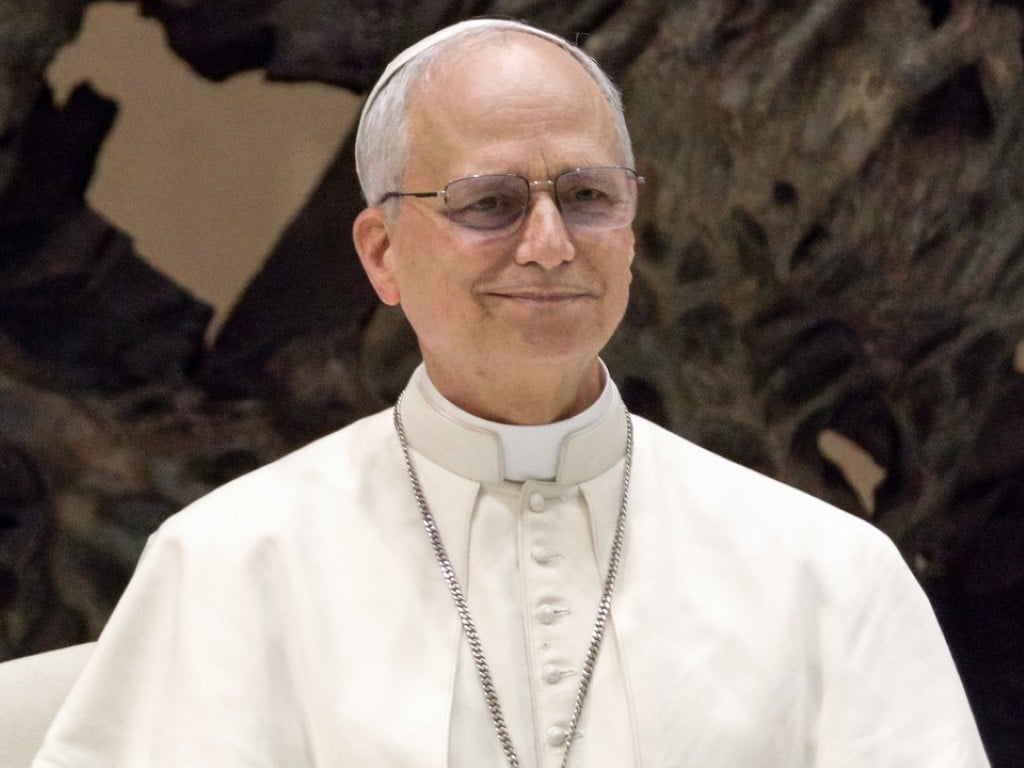
Wellington Archbishop Paul Martin SM, Catholic education leader Kate Nicholson and Kake Oranga Hāhi Katorika – Catholic Family Support Services (Hamilton) manager Renee Rewi, who is also co-president of the New Zealand Council of Christian Social Services, were panellists for the webinar, with the conversation facilitated by James Bergin, one of the hosts of the Catholic Kiwi Podcast.
Mr Bergin asked Archbishop Martin for the practical advice he would give to Catholics who are struggling to navigate competing political priorities and promises and also remain faithful to Catholic teaching.
Archbishop Martin referred to the bishops’ statement, saying “don’t begin with party loyalty, begin with the Gospel. That’s as a starting point”.
The archbishop said it is well known that the policies of New Zealand political parties generally do not correspond in every aspect to Catholic Social Teaching. That means the process of discernment is not easy.
Archbishop Martin urged Catholic voters to pray to the Holy Spirit when starting their discernment, and “pray a little prayer to the Holy Spirit as you get in the box and tick to put your cross or whatever . . . “.
The categories in the bishops’ document are important, he added. The archbishop discussed the dignity of the human person, suggesting people consider “What is the candidate’s view on care and protection of life and both in terms of from conception to natural death? That is a significant part.”
He explained: “I think the greatest challenge to human dignity in New Zealand at the moment is in terms of us seeing people in relation to their circumstances or their needs or their contribution that they make to society, what we often call utilitarianism, rather than people’s inherent worth as God’s children made for us, made in the image of God.
“I think once we lose sight of that as a fundamental principle, then all the other actions fall into place and we can see that emerging in our society, I think, and not just in New Zealand, but around the world.”
Other matters for consideration by voters include the wellbeing of families, solidarity with the vulnerable, the rights to religious freedom and conscience, the importance of protecting people as AI is increasingly used, and caring for our common home.
Ms Rewi said the most important long-term investment that can be made is in people, with a strong, fair and preventative social service system that protects everybody’s dignity and serves the common good. Priorities include food, basic essentials, safe and affordable housing, accessible primary and mental health care, early childhood education, schools that meet diverse learning needs and adequate incomes so everyone can participate fully in society, she said.
Ms Rewi also stressed recognition of Tiriti o Waitangi as both the founding document of Aotearoa New Zealand and the basis of enduring and equitable relationship.
Ms Nicholson expressed her concern that “many of our politicians really don’t understand the core essence of the Integration Act”, which provides the framework for Catholic schools, “and the right to protect the religious teaching as an authentic and mandated part of our education system”.
She urged continuing advocacy in this regard, and also discussed education issues such as helping migrant families learn English, the impact of family hardship being seen in many classrooms and the many contributions made by Catholic schools to their communities.
After responding to questions from Mr Bergin, the panel members also addressed questions posed by webinar attendees.
FULL STORY
SPECIAL EPISODE: Election Webinar (Catholic Kiwi Podcast)
Ad
Ad
The latest from
CathNews
Newsletter Signup
Receive CathNews New Zealand updates in your email every Tuesday and Friday