

Charities urged Modern Slavery Bill be passed quickly
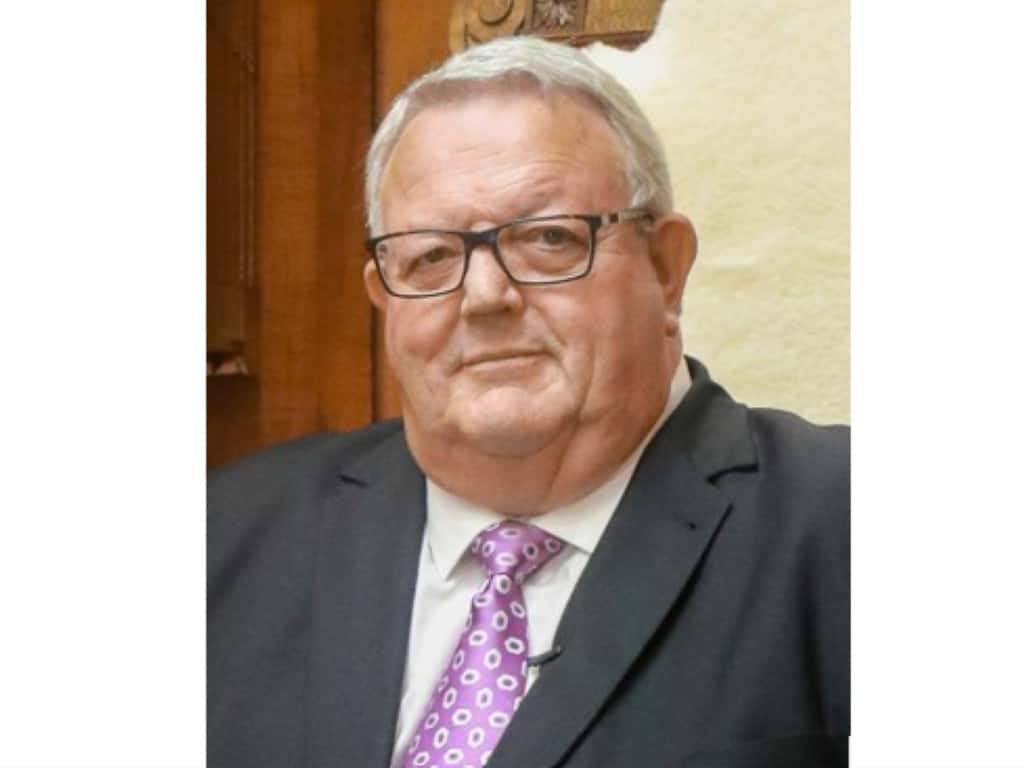
Speaker Gerry Brownlee (NZ Parliament)
In January, Labour MP Camilla Belich and National MP Greg Fleming announced Parliament’s two largest parties had joined forces to introduce modern slavery legislation.
The Modern Slavery Bill passed its first reading by 112 votes to 11, and all but one party at the select committee recommending it proceed – with Act the sole dissenter in each case. It had not proceeded to its second reading as Parliament started its last week before rising ahead of the general election.
Under Parliament’s rules, all incomplete business lapses when it is dissolved – meaning there is no guarantee the law will be brought back for completion next term.
In a letter this month to Mr Luxon, who said in 2022 he would “march in the street” to tackle modern slavery, five New Zealand charities, including the Salvation Army and Tearfund, urged the Prime Minister to ensure the law made it through its remaining stages by adopting it as a government bill.
In a separate letter to Parliament’s business committee, the charities asked MPs to give the Modern Slavery Bill priority on the order paper so it could be passed into law before Parliament dissolved ahead of the election.
In a response last week, Speaker Gerry Brownlee (the committee’s chair) said its members could not reach agreement on pushing the modern slavery law through.
“Given the House’s other priorities . . . we consider that there is no realistic opportunity to carve out additional time for the bill to progress,” he wrote.
There was “a strong convention” that lapsed bills would be reinstated by the next Parliament, Mr Brownlee said.
World Vision NZ’s head of advocacy and justice Rebekah Armstrong told Newsroom the charities wanted to avoid progress on the law being “derailed” by the election, as had occurred under the last Labour government. The last Labour government had run out of time to advance its own law before the 2023 election.
In a submission on the Modern Slavery Bill earlier this year, Auckland Diocese’s Justice and Peace Commission strongly supported the direction and intent of the Bill.
The Commission said the Bill “addresses the wider systemic conditions that allow modern slavery to exist and remain hidden, especially in business operations and supply chains. We expect this Bill to strengthen mechanisms for slavery prevention, accountability, transparency, and continued support for survivors”.
But the Commission also stated that modern slavery is systemic, adaptive and deeply embedded, and a further coordinated response is required involving aspects such as enhanced public awareness and education as well as early intervention and prevention.
In a submission on the Bill, the Ecology, Justice and Peace Commission Social Equity Committee of the Catholic Archdiocese of Wellington expressed its support for the Bill as “a step towards upholding the dignity of workers across global supply chains”.
“However, in its current form, the Bill does not do enough to address slavery within the supply chains,” the submission stated.
FULL STORY
Charities push to get modern slavery law through dying days of Parliament (By Sam Sachdeva/Newsroom)
Church body says Modern Slavery Bill not final step – CathNews New Zealand (CathNews NZ)
EJP Commission committee submission on Modern Slavery Bill (Archdiocese of Wellington)

Ad

Ad
The latest from
CathNews

Newsletter Signup
Receive CathNews New Zealand updates in your email every Tuesday and Friday