

Pope speaks at UNESCO on humanity and meaning
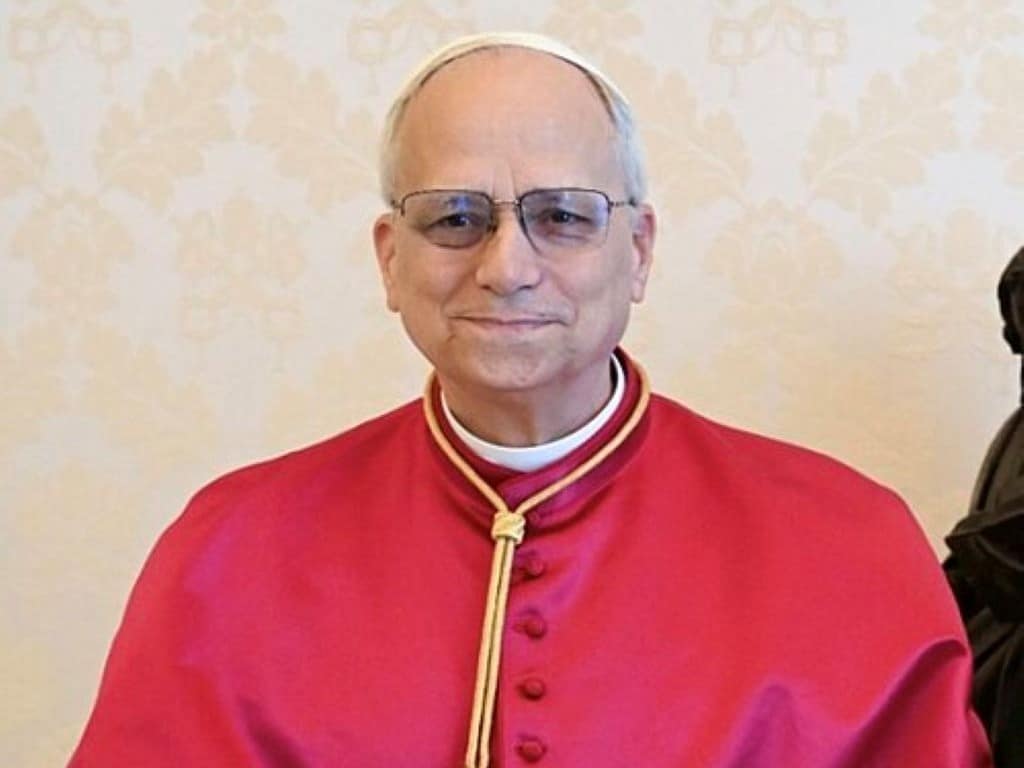
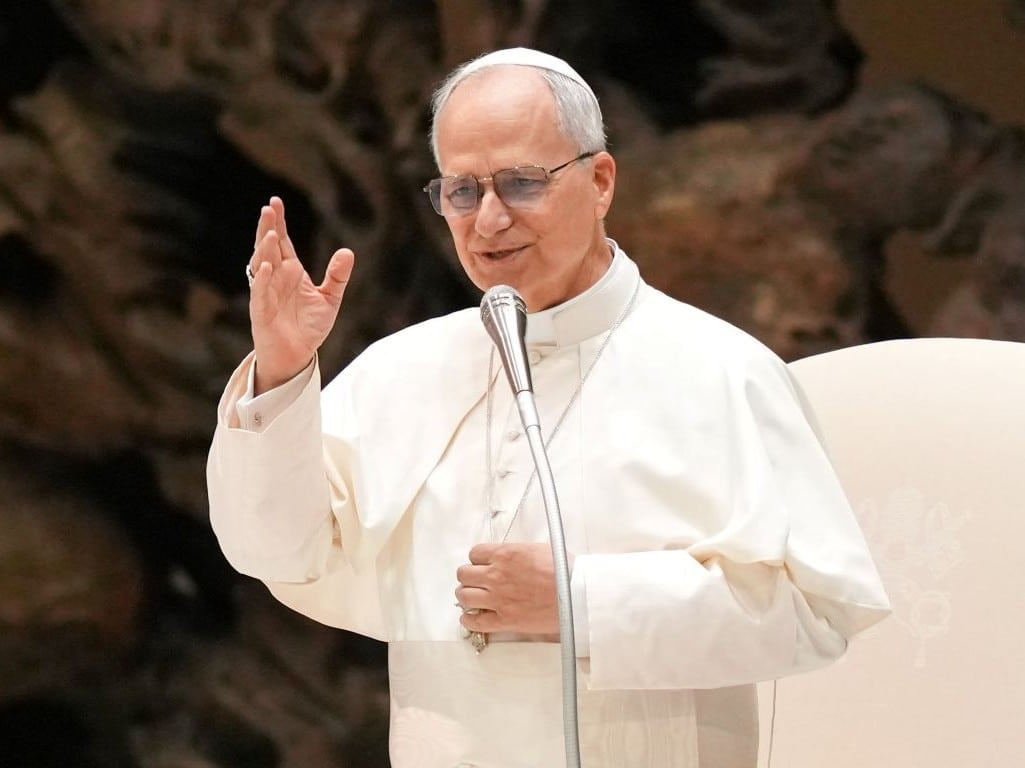
Pope Leo XIV in 2025 (Gobierno de la República Argentina/Wikimedia Commons)
Addressing representatives of member and observer states, international organisations, academia and civil society on September 25, the Pope described UNESCO as a place where humanity can “reflect on itself, on its history and on its future”.
His visit came on the first day of his September 25-28 apostolic journey to France, which included visits to Paris, Lourdes and Metz. On the first day, after meeting French President Emmanuel Macron and representatives of civil society and the diplomatic corps, the Pope travelled to UNESCO before continuing to Notre-Dame Cathedral and later to the Stade de France for a prayer vigil with young people.
Pope Leo XIV’s address echoed that of St John Paul II, who became the first Pope to speak at UNESCO when he visited its Paris headquarters in 1980. Forty-six years later, Leo XIV recalled his predecessor’s words that “man lives a truly human life thanks to culture”.
At the heart of Pope Leo’s address was a question he said every culture and every generation must confront: “What does it mean to be human?”
He linked that question directly to education, arguing that education cannot be reduced to the acquisition of skills or material advancement.
“No education can be considered complete if it fails to address the question of life’s meaning,” he said.
The Pope reflected on the vulnerability shared by every human being, noting that every person is born as a child, dependent upon others, and therefore enters the world within a relationship of care and responsibility.
“We are all born naked and in need,” he said, describing humanity as dependent upon “bread and words, of care and affection”.
If people forget this common experience, Pope Leo said, there is a risk of turning human life into a commodity rather than recognising it as a gift and responsibility.
The Pope devoted particular attention to the challenges posed by technology and artificial intelligence, which cannot answer questions concerning the meaning of human life, which is rooted in lived experience.
“Meaning is the oxygen of the mind,” Pope Leo said.
Scientific progress, when separated from wisdom, can become a weapon, while culture subjected to ideology, the Pope added, can descend into propaganda and education detached from truth can become a means of manipulating consciences.
“Peace cannot be built by treaties alone,” the Pope maintained. Rather, genuine peace must arise from justice and from an “upright will” capable of recognising another person as “a brother or sister, a person like oneself”.
During his visit to France, the Pope called clergy and religious to missionary conversion and spoke to politicians on the duty to respect and care for life.
He also urged the Church to welcome new Catholics into parish life and called for reverence in worship without letting liturgical preferences divide the faithful.
FULL STORY
Pope at UNESCO: ‘Peace cannot be built by treaties alone’ (Vatican News)
Pope calls clergy, religious of France to missionary conversion (Vatican News)
Pope Leo XIV, in France, says protection of life a duty for everyone (EWTN Great Britain)
Pope Leo prays at Notre-Dame Cathedral: ‘where heaven and earth meet’ (EWTN News)
Pope Leo welcomes French converts and wades into liturgy debate (Religion News Service)
Ad
Ad
The latest from
CathNews
Newsletter Signup
Receive CathNews New Zealand updates in your email every Tuesday and Friday