

Bishop Cullinane reflects on the call to shape society
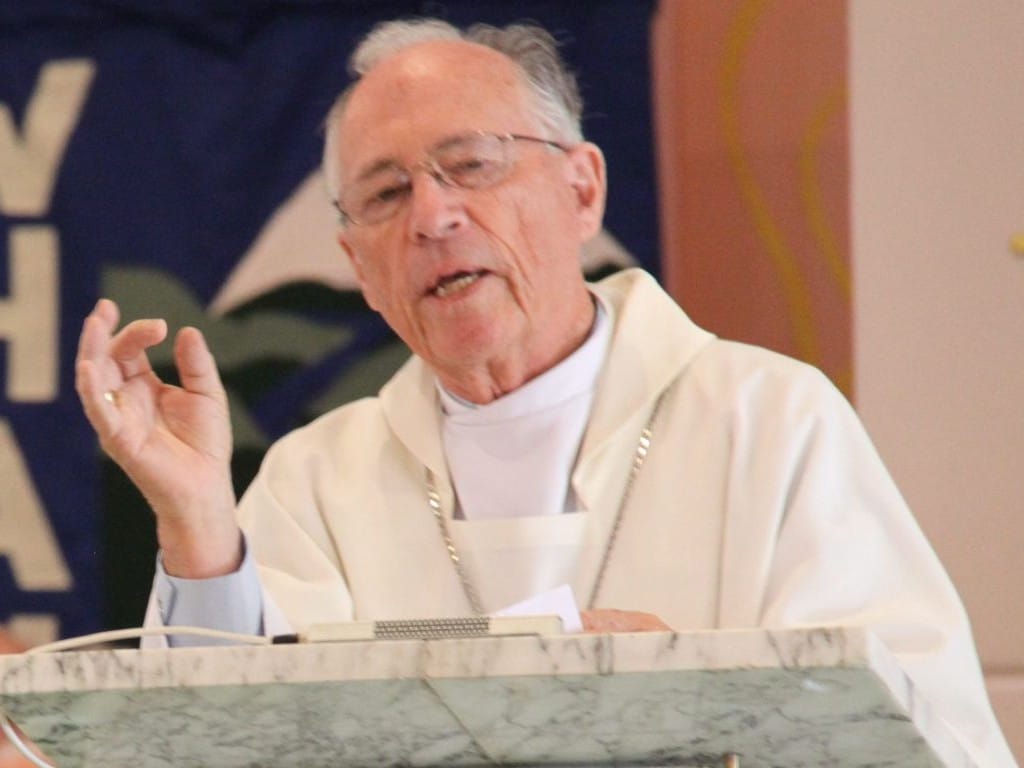
In an article titled “Do We Understand Our Calling?”, Bishop Cullinane began by considering the influence of culture on the way people think, speak and act. Culture can provide a sense of order and belonging, he said, but it can also cause attitudes and behaviours to become normalised without people recognising the influence.
He pointed to examples including increasingly aggressive public discourse, the treatment of housing primarily as a commodity, the normalisation of war and forms of individualism that place personal interests ahead of the common good.
Bishop Cullinane argued that Christians are called to engage critically with these influences rather than treating questions of society and politics as separate from their faith.
The call as Christians, he wrote, involves recognising that the choices and systems shaping society have moral implications. Catholic social teaching, he noted, does not provide specific social or economic policies, but offers moral guidance for how Christians think about these issues. At its heart is the dignity of every human person and the call to seek the common good.
Drawing on Pope Leo XIV’s recent encyclical, Magnifica Humanitas, Bishop Cullinane summarised several key principles of Catholic social teaching. These include the equal dignity of every person, the protection of human life, the responsibility to promote the common good, the universal destination of the earth’s goods, care for creation, hospitality towards migrants and refugees, and concern for those who are excluded or disadvantaged.
He also considered the implications of these principles in areas such as technology and artificial intelligence, employment, economic inequality and the use of natural resources. He highlighted the principles of subsidiarity – allowing decisions to be made as close as possible to those affected by them – and solidarity, recognising that the future of each person is connected to the future of all.
Bishop Cullinane also reflected on the Christian call to peace. He emphasised that peace begins in the way people look at, listen to and speak about one another, and that genuine dialogue and negotiation are essential alternatives to conflict. “Do you want peace? Then do justice,” he stated.
”Do We Underestimate Our Calling?” can be read here.
FULL STORY
Bishop Emeritus Peter Cullinane Reflects on the Christian Call to Shape Society (Tūmanako/Catholic Diocese of Palmerston North)

Ad

Ad
The latest from
CathNews

Newsletter Signup
Receive CathNews New Zealand updates in your email every Tuesday and Friday