

Researchers propose AI regulation, citing youth views
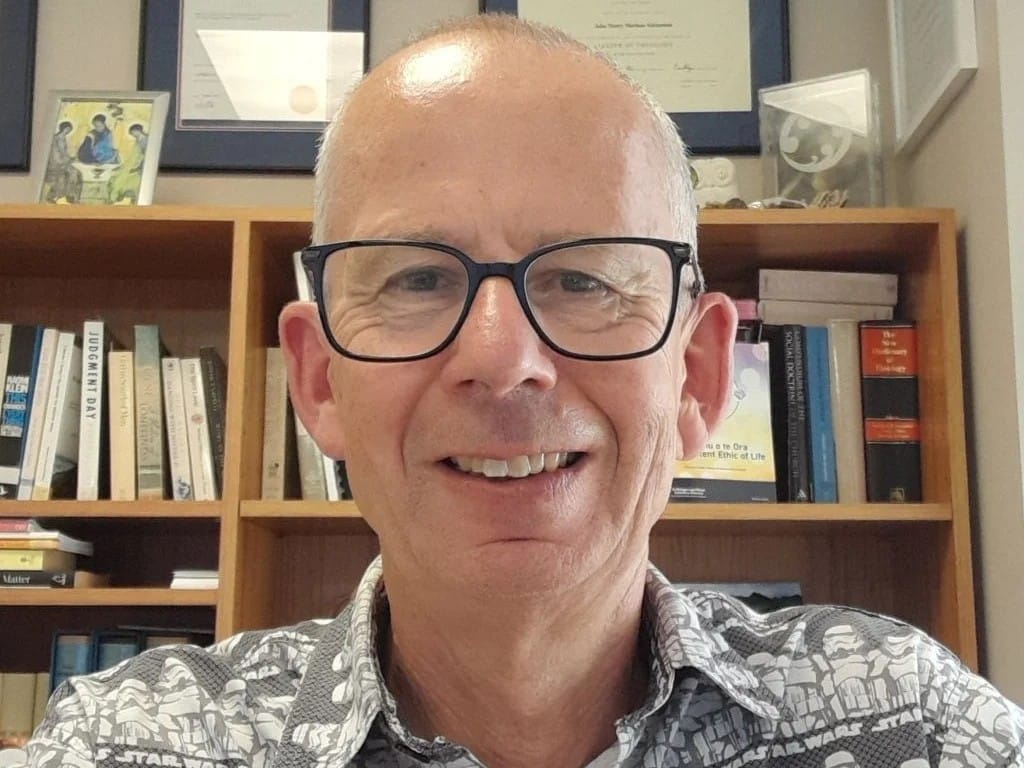
Dr John Kleinsman (Te Kupenga)
In an opinion article last week, Dr John Kleinsman and fellow researchers Dr Adam Stevens and Dr Deborah Stevens stated that there had been minimal debate about AI as a significant issue for the next government to deal with.
“As AI technologies continue their exponential evolution, understanding citizens’ views is vital, in particular those who will be affected for the longest time – our young people, those who have been raised while AI technology has developed,” they stated.
The researchers referred to their 2026 research survey, “What Is Your Stand?”, which asked more than 1500 year 13 students across New Zealand’s secondary schools whether they thought AI makes the world a better place and why.
“Our results showed 55 per cent of year 13s disagreed that AI makes the world a better place, while 22 per cent agree and 23 per cent are neutral.”
About half the survey participants identified AI as a “tool”. It “can be helpful” when used appropriately, but has the capacity to cause more harm than good when used inappropriately.
Some 30 per cent of participants recognised AI as beneficial to productivity, be that in their own education, in jobs, in assisting in menial tasks and/or for people who require daily assistance. Some also recognise it as having an important place in medical and scientific advancements.
But even among those who cite the benefits of AI, most youth surveyed do not agree that AI has a net positive effect on the world.
Writing in the final days before the general election, the researchers noted that the coalition Government’s strategy had been to take a light touch to regulating AI. Launched in July 2025 and developed with the assistance of AI, New Zealand’s official AI strategy is called “Investing with Confidence”.
“Our Government’s strategy emphasised the reduction of barriers to business uptake of AI, rather than safeguards for AI use,” the researchers stated.
In contrast, the Australian government has established an AI safety institute, set up a joint select committee to scrutinise AI regulation, and has incorporated AI oversight through to the highest levels of government, the researchers added.
“[N]ow is the time for politicians to heed the concerns of our youth on what could be the most impactful technology of their lifetimes.
“While integration of AI in business and productivity is undoubtedly important, our youth are showing an awareness that there is much more at stake than ‘Investing with Confidence’.”
Dr Deborah Stevens is lead researcher for the “What is Your Stand?” project. Dr Kleinsman and Dr Adam Stevens are research collaborators for the project. Dr Kleinsman is director of The Nathanial Centre for Bioethics.
FULL STORY
The Benefits and Risks of AI – Let our Young Adults Speak (By Adam Stevens, John Kleinsman, Deborah Stevens/The Press – subscription required)

Ad

Ad
The latest from
CathNews



Newsletter Signup
Receive CathNews New Zealand updates in your email every Tuesday and Friday