

Care warning if euthanasia eligibility widens
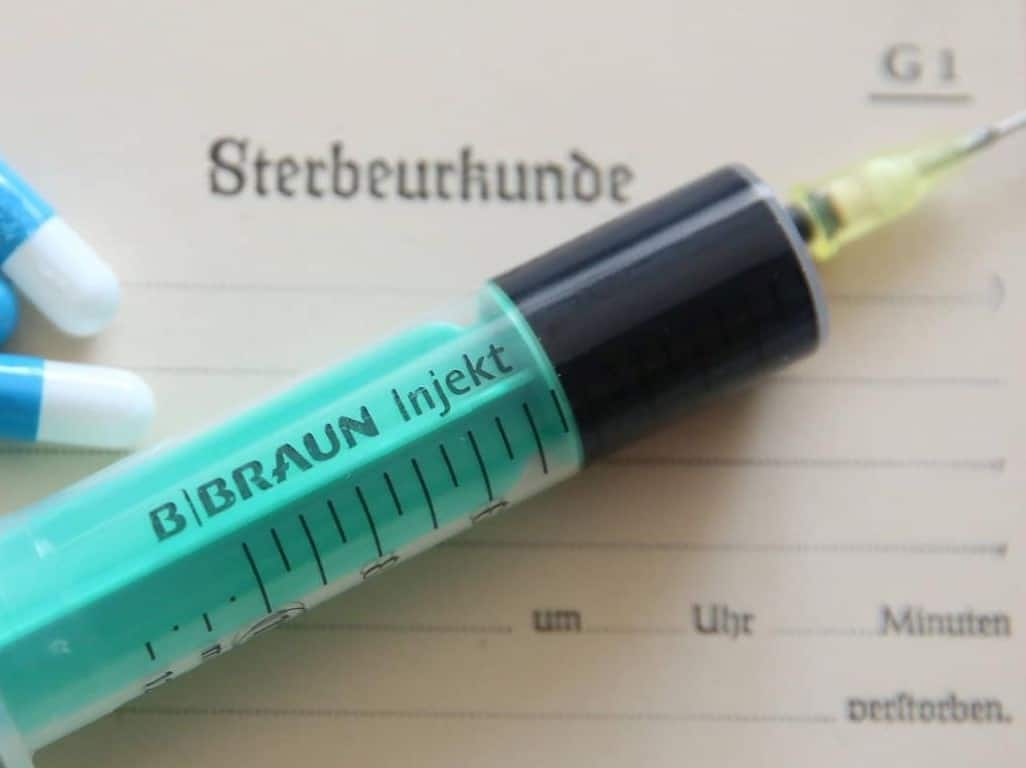
(CNS Photo)
The current legislation, approved by voters at the 2020 referendum, requires eligible patients to have a terminal illness with a prognosis of six months or less. ACT MP Todd Stephenson’s End of Life Choice Amendment Bill would remove this provision, replacing it with a much broader requirement: that patients suffer from at least one condition that is “advanced, progressive and expected to cause death”.
This means that people with disabilities and long-term illnesses could become eligible despite potentially having years or decades left to live.
Maxim’s research manager Maryanne Spurdle examined the risks of removing this key safeguard. Drawing on Canada’s experience, the paper argues that care for vulnerable patients is damaged – not enhanced – when life-ending options become standard.
In 2021, Canada created “Track 2” euthanasia for patients whose deaths are not reasonably foreseeable. Reporting now shows that Track 2 patients are far more likely to be disabled, poor and experiencing loneliness and isolation than those who apply under the original provision.
The Maxim paper raises three central concerns involving disability-related discrimination, challenges for clinicians and access to care.
Patients with disabilities who become eligible and express a wish to die could receive assistance to end their lives, while others expressing the same wish would instead be offered suicide prevention support. Clinicians would face difficult decisions about whether to help eligible patients overcome suicidal thoughts or help them to die. For patients struggling to access treatment and disability support, euthanasia could become more accessible than the care they need.
Maxim’s report rejects any amendment that would remove the six-month prognosis safeguard and calls for better access to specialist palliative care, treatment and support services.
At number six on the ACT Party list, Mr Stephenson is likely to be returned to Parliament after the final election results are announced on November 27.
All proposed members’ bills, such as Mr Stephenson’s, that were in the members’ bill ballot at the time Parliament rose on October 1 have been removed. Once the next Parliament opens, members who are not ministers will be able to lodge proposed members’ bills in the ballot.
FULL STORY
Shifting Euthanasia’s Goalposts (Maxim Institute)
Proposed Members’ bills (NZ Parliament)

Ad

Ad
The latest from
CathNews


Newsletter Signup
Receive CathNews New Zealand updates in your email every Tuesday and Friday