

Where should we draw the line on using AI for sermons?

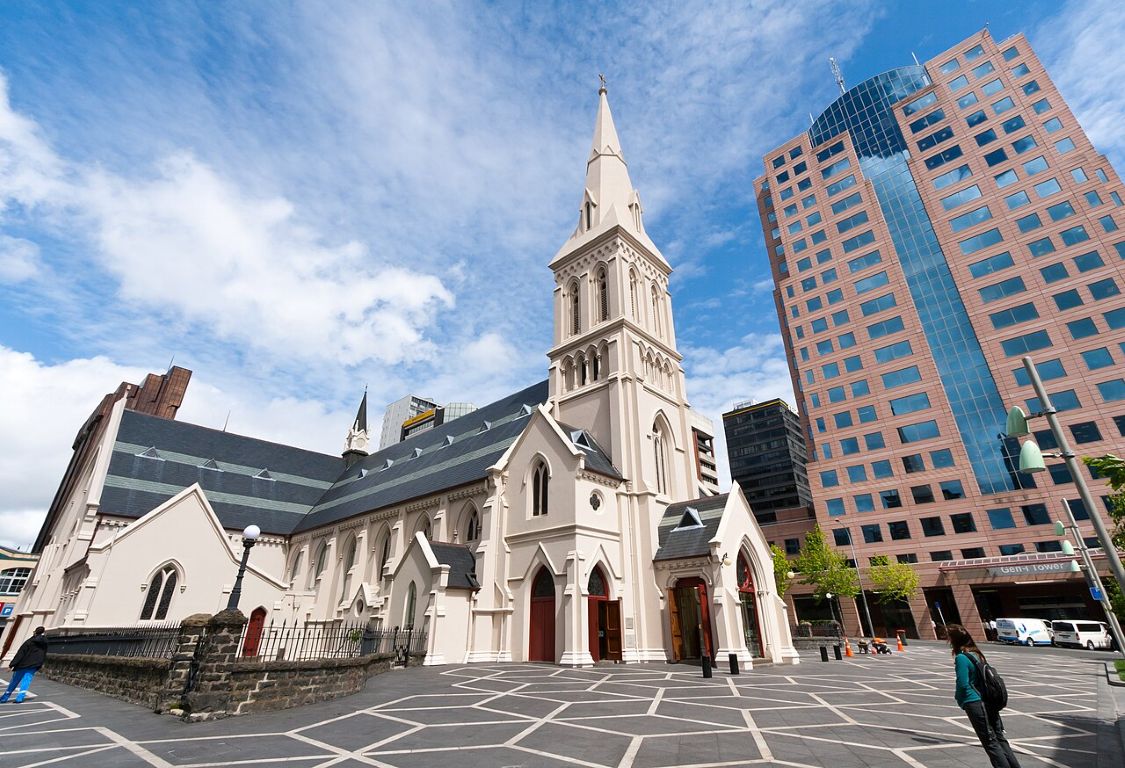
(Jernej Furman/Wikimedia Commons)
Some denominations have issued general guidelines urging thought and caution regarding AI, but they typically don’t give specific rules about sermons.
The Vatican urges careful use of AI, “not only mitigating risks and preventing harm, but also ensuring that its applications are used to promote human progress and the common good”. The Southern Baptist Convention recommends that people “develop, maintain, regulate and use these technologies with the utmost care and discernment, upholding the unique nature of humanity”. The Church of Jesus Christ of Latter-day Saints says that AI content could be used with attribution.
Beth Singler, an anthropologist who studies religion and AI, and is an assistant professor in digital religion(s) at the University of Zurich in Switzerland, said the picture is nuanced.
“ When you look at the history of all religions, they’ve always engaged with different forms of automation, different forms of technological advancement,” Dr Singler said. “The printing press was put to work, first of all, for religious texts, in the European context.”
Brad East, who teaches theology at Abilene Christian University in West Texas, acknowledged that AI makes sermon-writing easier, but said he doesn’t necessarily want all the struggles surrounding it to be relieved, because that’s part of the vocation.
“To me, the drudgery is part of the point,” Dr East said. “I do not want pastors preaching sermons out of Scripture who themselves do not read or study Scripture. I just don’t. It is missing the point of what we are trying to do there.”
Some clergy say that using AI isn’t just about avoiding the grind or scholarship, instead arguing it can draw upon far more sources than any one human could access. It can also free up time for pastoral care, allowing clergy to prioritise providing counsel or sitting at a bedside of someone who’s dying. However, some argue that sermons are part of those relationships.
“Does AI know the stories of your people? Do they know about the miscarriage? Do they know about the divorce? Do they know about the abuse? How can an algorithm comprehend lived human experience?” asked Paul Hoffman, pastor of Evangelical Friends Church in Rhode Island.
Much of the debate involves grappling with the question of whether AI is being used as a replacement for a spiritual and practical human activity or whether it’s a tool in the service of that project. There are also issues with AI sometimes being unreliable, and with its environmental impact in terms of power use.
FULL STORY
Are AI sermons ethical? Clergy consider where to draw the line (By Deena Prichep/RNS/National Catholic Reporter)

Ad

Ad
The latest from
CathNews

Newsletter Signup
Receive CathNews New Zealand updates in your email every Tuesday and Friday