

Deep concern at rise in assisted death applications: Bioethicist

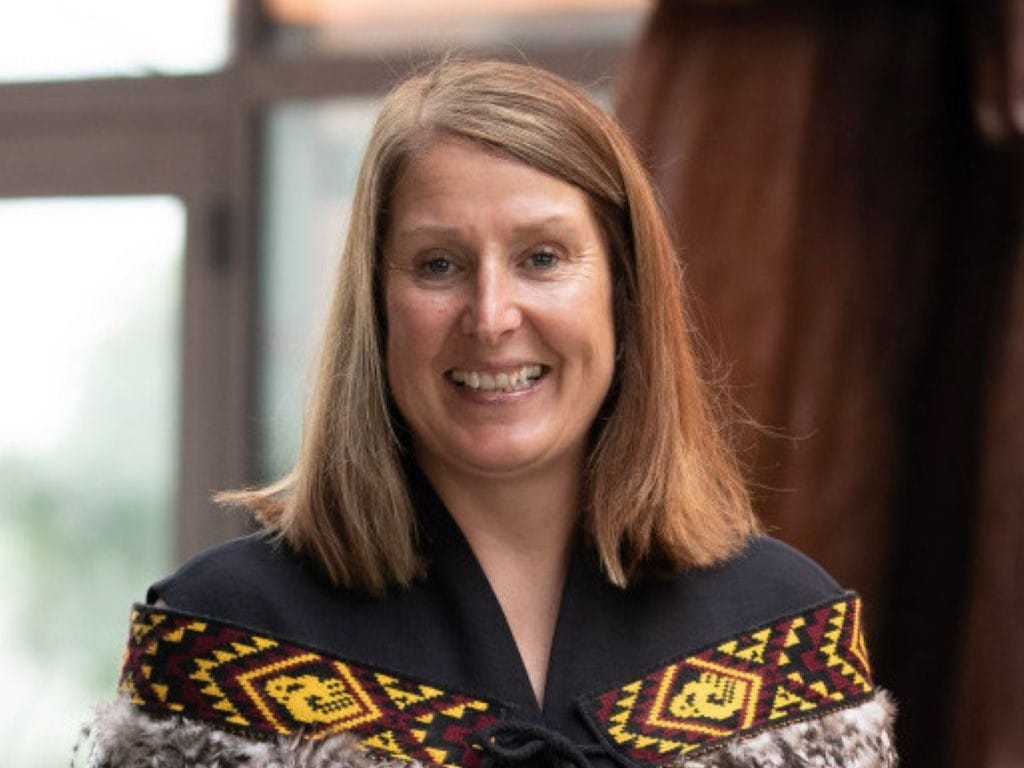
Dr John Kleinsman (Te Kupenga)
The 2025 Assisted Dying Service Annual Report to the Minister of Health reported there were 1066 new formal applications for an assisted death between April 1, 2024 and March 31, 2025. There were 834 formal applications in the previous 12 months.
The 2025 report also stated that 472 people had an assisted death in the time frame reported on, up from 344 in the previous year.
Dr John Kleinsman, director of the Nathaniel Centre for Bioethics – the NZ Catholic Bioethics Centre, said he was not surprised at the growth in the number of applicants.
“What is happening in our country mirrors exactly what has happened in other jurisdictions,” he said Dr. “And it will continue. The best predictor of how assisted dying will become more and more embedded in Aotearoa is to look at what is happening in countries like Canada, where it is well documented that eligible people are choosing it for reasons related to a lack of social and other state-funded health supports.”
Dr Kleinsman said this country was “gradually moving towards a more utilitarian framework for judging who should live and who has a duty to die, and that disturbs me deeply”.
He further noted, with concern, the significantly large number of applicants for an assisted death – 22 per cent – who were not accessing palliative care.
“The rise in numbers of those receiving a premature death is coming at a time when hospices around the motu are struggling to provide services, with some even scaling back their services. This is a travesty for many reasons, not least because it introduces a new level of coercion – it will inevitably nudge many more people towards a premature death. So much for assisted dying being a free choice,” he said.
The report also stated that the list of health practitioners on the Support and Consultation for End of Life Choice Group (SCENZ) fell from 148 to 126 in the past year.
Dr Kleinsman said he was, once again, not at all surprised by the relatively small number of doctors involved in the administration of assisted deaths.
“The NZ Medical Association predicted this in a 2018 submission to Parliament, arguing that a physician ‘processing a request for euthanasia, is working in the opposite direction to a physician who is working to improve the quality of the patient’s life . . . the underlying assumption in processing a request for euthanasia is that this is a life that’s no longer worth living, whereas the premise underlying a desire to improve quality of life is that the patient has a life worth living’.
“This serves to highlight a key fact, too often overlooked in debates – that assisted death is not a healthcare procedure and, if we are to have it, it should only ever exist outside of healthcare,” Dr Kleinsman said.
FULL STORY
Dr John Kleinsman commentary on Assisted Dying Service Report (Nathaniel Centre for Bioethics – the NZ Catholic Bioethics Centre)
Assisted Dying Service – Ngā Ratonga Mate Whakaahuru. Registrar (assisted dying) Annual Report to the Minister of Health (Ministry of Health)
Assisted Dying Service: Registrar (assisted dying) Annual Report to the Minister of Health – June 2024 (Ministry of Health)

Ad

Ad
The latest from
CathNews

Newsletter Signup
Receive CathNews New Zealand updates in your email every Tuesday and Friday