

Confession not always as shown in movies: NZ theologian
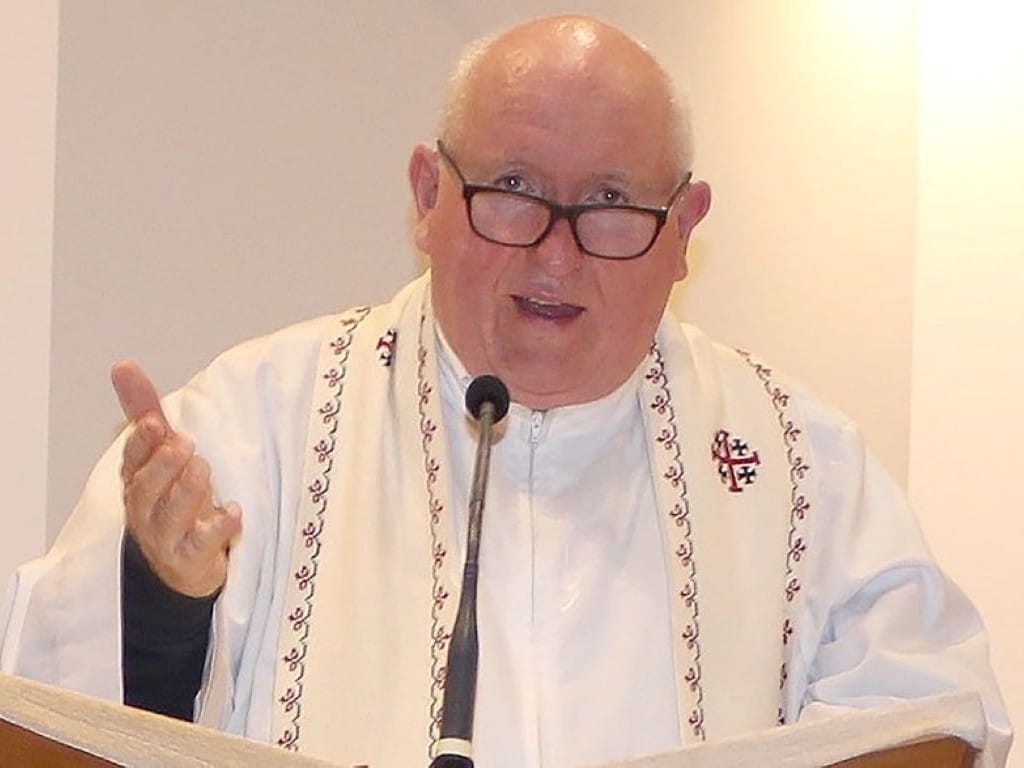
Fr Mervyn Duffy, SM (NZ Catholic)
Fr Mervyn Duffy SM from Te Kupenga Catholic Theological College told The Panel on Radio New Zealand that “we have tended to move away from boxes, little dark cupboard type things, into rooms – there’s often a screen where you can kneel behind it anonymously, or a chair where you can sit facing the priest and talk to them”.
“But the basic idea of you, by yourself, talking to a priest is still there,” he said in an interview on July 30.
Asked if he had ever seen a TV or movie show involving a Confession scene and thought that it was just wrong, Fr Duffy said Confession can vary dramatically, and there is dramatic licence in movies.
“Most Confessions are good people telling you what is going on with their life. They are not usually dramatic,” he explained.
Fr Duffy added that Confessions are normally reasonably short. He mentioned a hypothetical situation of a person telling a priest about a struggle with anger and sarcasm.
“The priest would say hopefully something wise and thoughtful and encouraging, and then suggest, what I want you to do and . . . tell them that they are to speak gently to the next six people they encounter.”
Confession is meant to be “honesty meeting God’s mercy”, Fr Duffy said.
“So you are asking people to be honest about their life, what is happening to them. They might confess specific things they have done wrong, or they might say what is troubling them.”
Fr Duffy emphasised that Confession is under the seal and that any sins confessed could not be revealed by the priest. But the priest could recommend that a person go to Police if they had committed a serious crime.
He added that the process is normally very humbling for the priest hearing a Confession. “It is not normally great sins that get confessed. It is normally the ordinary sins of a good life.”
Asked about people leaving Confession feeling spiritually revitalised, Fr Duffy said Confession is meant to free people from guilt and isolation, and from the spiritual weight of things they have done wrong.
“Basically, sin is social, and so should forgiveness be social. By speaking it out to somebody else, and then hearing from them the words of absolution . . . that is a big deal, because people experience that as God forgiving them.”
FULL STORY
The Panel Plus (Radio New Zealand)

Ad

Ad
The latest from
CathNews
Newsletter Signup
Receive CathNews New Zealand updates in your email every Tuesday and Friday