

Bioethicist worried by proposed assisted dying law changes
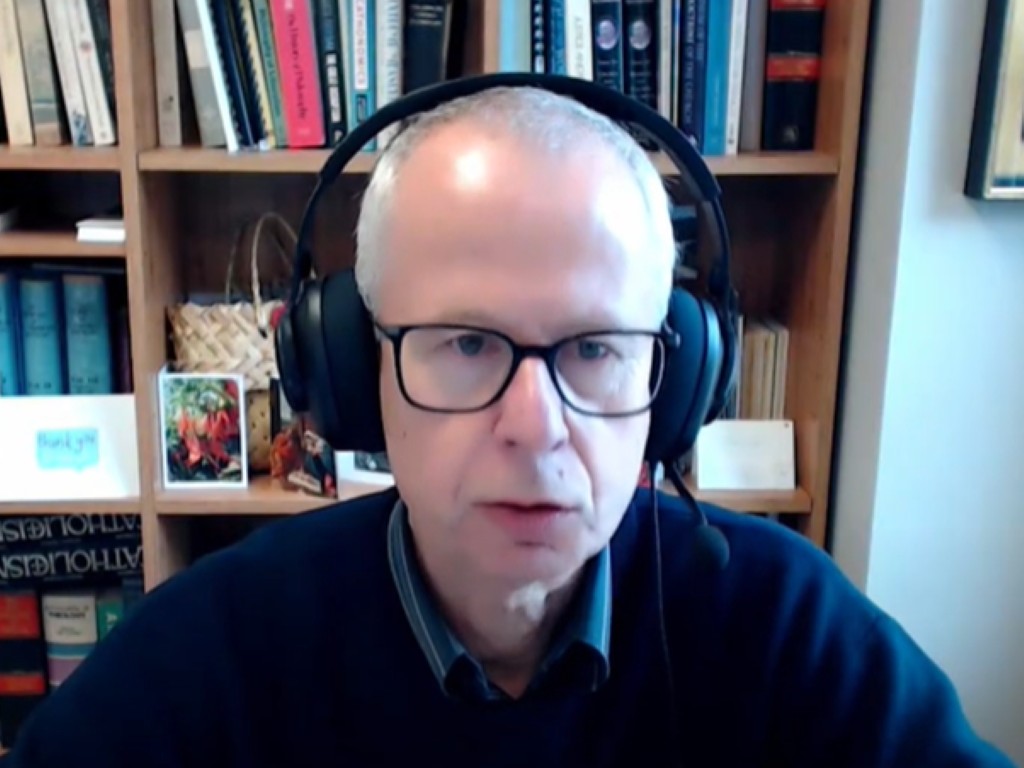
Dr John Kleinsman (Te Kupenga)
Dr John Kleinsman, director of the Nathaniel Centre for Bioethics – the NZ Catholic Bioethics Centre, told Rhema that he had four main issues with a private member’s bill proposed by ACT’s Todd Stephenson.
These are, firstly, the removal of the requirement of a prognosis of death being likely within six months; Secondly, there are implications for care providers if conscientious objection provisions are changed; Thirdly, a proposed change would allow doctors to raise assisted dying with patients; Fourthly, there would be the impact of advanced directives, which might see people received assisted dying when they are no longer competent.
Dr Kleinsman said that, under the law, care institutions are able to say that they don’t want assisted dying to happen on their premises.
“The freedom not to participate is actually a cornerstone commitment of the current law. If you look at and analyse the debates that were happening in Parliament [when the current law was being debated], there were assurances that nobody would have to provide assisted dying on their premises, and that was clarified by a declaratory judgement sought in the High Court by Hospice New Zealand in 2020,” Dr Kleinsman said.
“The Attorney General at the time said there was no interest in forcing anybody, let alone institutions, to do that.”
Dr Kleinsman agreed with the Rhema interviewer that, in a referendum, the electorate would have rejected any proposed law that watered down checks and balances to the degree proposed in the Stephenson bill.
The six months clause is a significant safeguard, Dr Kleinsman said. Under the current law, one of the eligibility criteria is that a person “suffers from a terminal illness that is likely to end the person’s life within six months”.
If it is removed, “we will be moving down exactly the same path as Canada has gone, where . . . there is no need for foreseeable death for people to have access to assisted dying”, Dr Kleinsman said.
National’s coalition agreement with the ACT Party requires that any changes to the euthanasia law can only be progressed through a member’s bill. Member’s bills are typically drawn from a biscuit tin at Parliament, so the chances of any bill being drawn are random.
However, a change to Parliament’s rules brought in around the time of the last election means that if a member’s bill gets support from 61 MPs who are not a Minister or Undersecretary, it can skip the usual ballot process. This would require broad support across the Parliament.
Mr Stephenson is looking for support from MPs for his bill
FULL STORY
Euthanasia Expansion Signals Red Flags for Free Choice & Ethics (Rhema/YouTube)
ACT MP seeks support for bill changing End of Life Choice Act (Radio New Zealand)
End of Life Choice Act Eligibility Criteria (NZ Legislation)

Ad

Ad
The latest from
CathNews


Newsletter Signup
Receive CathNews New Zealand updates in your email every Tuesday and Friday