

Bioethicist: Organ donation from assisted dying is wrong
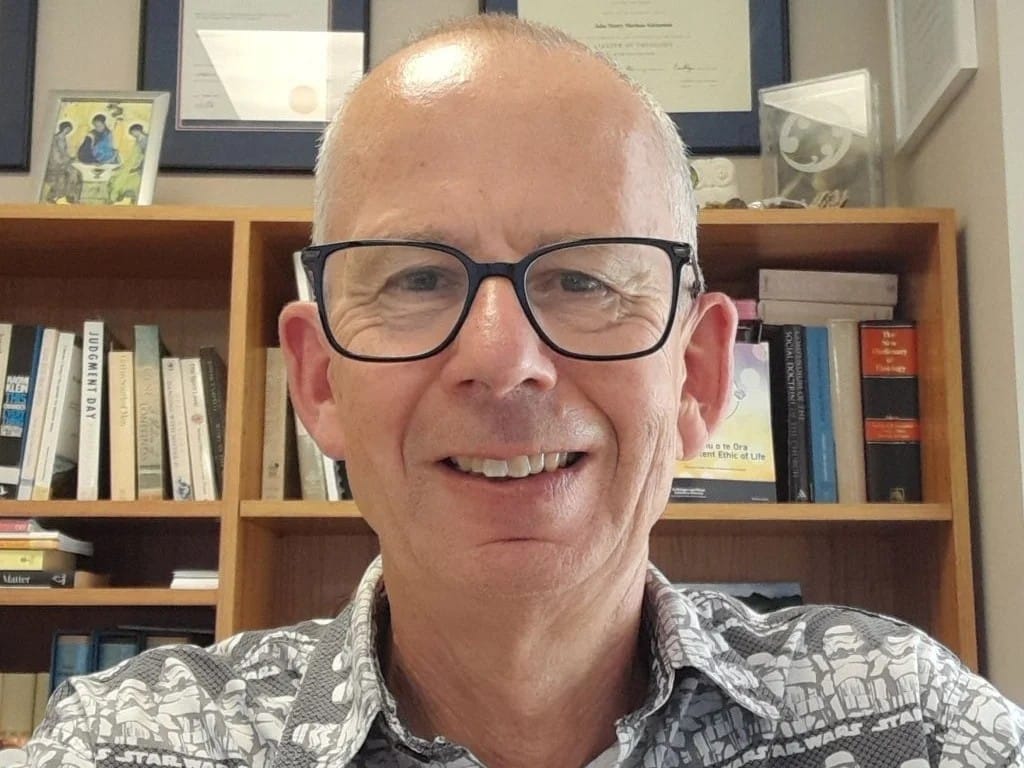
Dr John Kleinsman (Te Kupenga)
Nathaniel Centre director Dr John Kleinsman responded to the news that Organ Donation New Zealand (ODNZ) had adopted this practice
Dr Kleinsman noted that, “when it is freely offered, the donating of organs to another human represents a rich gesture of generosity – a true and deeply personal gift that brings life to others and alleviates suffering”. He also acknowledged the shortage of organs for donation in this country.
“ . . . [M]any will argue that denying patients opting for assisted dying [AD] the opportunity to donate their organs deprives others of a life-saving transplant,” he said.
However, he described this as a “utilitarian way of framing the issue” and stated that it “is the only factor considered by Organ Donation New Zealand (ODNZ) in adopting this new practice. It is, however, inadequate by itself as a criterion for deciding if assisted dying by organ donation is a societally good practice to be encouraged”.
Dr Kleinsman warned that “there are additional societal consequences that arise from assisted dying organ donation (ADOD), including its potentially negative impact on medical practice as well as the potential to perceive people who are dying in a more objectified and less dignified way – as a source of body parts, something that will potentially create a new and coercive dynamic around death”.
Dr Kleinsman stressed that a key ethical concern “is the need to ensure that the process of applying for an assisted death is kept strictly separate from any decision to donate one’s organs. The two actions, it is generally accepted, should be kept separate so that the act of donating does not become part of the motivation for an assisted death”.
“While we might think of the two processes (ending a patient’s life and retrieving their organs) as separate, the reality in practice is that the different medical teams have to collaborate closely,” Dr Kleinsman wrote.
“In other words, the organ retrieval team, whether they like it or not, will be intimately involved in the way the patient dies; they become inherently linked with the act of directly, intentionally and prematurely ending a patient’s life.
“This is anathema to many doctors who enter medicine and stay in medicine to save lives and who, in conscience, could never be party to directly ending a person’s life. Ultimately, [assisted dying organ donation] amounts to an erosion of the legally guaranteed rights of doctors caring for patients outside of assisted dying.
“To argue that the way in which the organs were obtained somehow does not matter is to take a narrow and objectified view of body parts.”
The fact that the recipients of the organs will not be told if the life of their potential donor was ended by assisted dying “violates the autonomy of the organ recipients”, Dr Kleinsman added.
FULL STORY
Warning on organ donation after assisted dying (Dr John Kleinsman/The Nathaniel Report)

Ad

Ad
The latest from
CathNews

Newsletter Signup
Receive CathNews New Zealand updates in your email every Tuesday and Friday